
A beautifully landscaped yard can lose much of its impact after sunset if the walkways disappear into shadow. Pathway lighting shapes first impressions, guides movement, and adds depth to your outdoor space long after daylight fades. The right fixtures create a calm glow instead of a harsh spotlight effect, allowing plants, stone, and architecture to breathe at night. Many homeowners begin searching for lighting options for walkways without realizing how factors like spacing, brightness, and material quality influence long-term results. Choosing carefully means looking beyond appearance and thinking about safety, durability, and harmony with your existing design. With the right strategy, pathway lights become both functional markers and subtle design statements.
Define the Primary Purpose
Before selecting fixtures, determine what your pathway lighting needs to accomplish. For some homes, safety is the top priority—clearly illuminating steps, curves, and elevation changes. For others, the goal is atmosphere, creating a soft, inviting approach to the front door or garden seating area. Clarifying this purpose helps narrow your options. Brighter, evenly spaced lights work well for high-traffic walkways. Softer illumination suits decorative garden paths. In climates like San Diego, where outdoor living extends into the evening, lighting often needs to balance visibility with comfort. Starting with a clear objective prevents over-lighting or under-lighting your space.
Select the Right Power Source
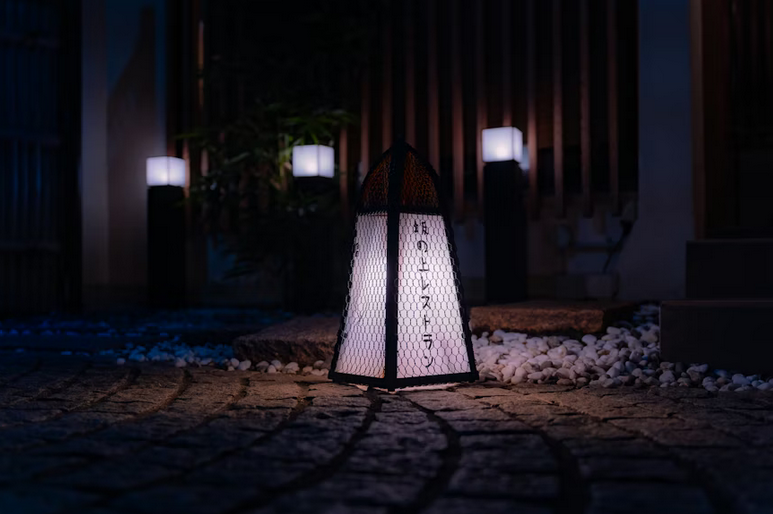
Pathway lights are typically available in solar, low-voltage wired, and standard line-voltage systems. Solar fixtures are convenient and simple to install, making them appealing for smaller projects. However, their brightness depends on daily sunlight exposure and battery capacity. Low-voltage systems offer stronger and more consistent performance. Although they require installation planning, they provide better control over light output and placement. Line-voltage lighting delivers high intensity but is often excessive for residential pathways. Evaluating your yard’s layout, power access, and desired brightness will help you choose a system that aligns with both convenience and reliability.
Pay Attention to Light Temperature and Brightness
Color temperature significantly affects how your landscape feels at night. Warm white light, generally between 2700K and 3000K, creates a welcoming glow that blends naturally with plants and stone. Cooler tones can appear sharper and more modern but may feel stark in traditional settings. Brightness should be adequate for safe navigation without overwhelming the space. Excessively bright lights create glare and flatten visual depth. A softer spread with overlapping pools of light often produces a more refined result. The goal is clarity, not intensity.
Choose Durable Materials and Timeless Design
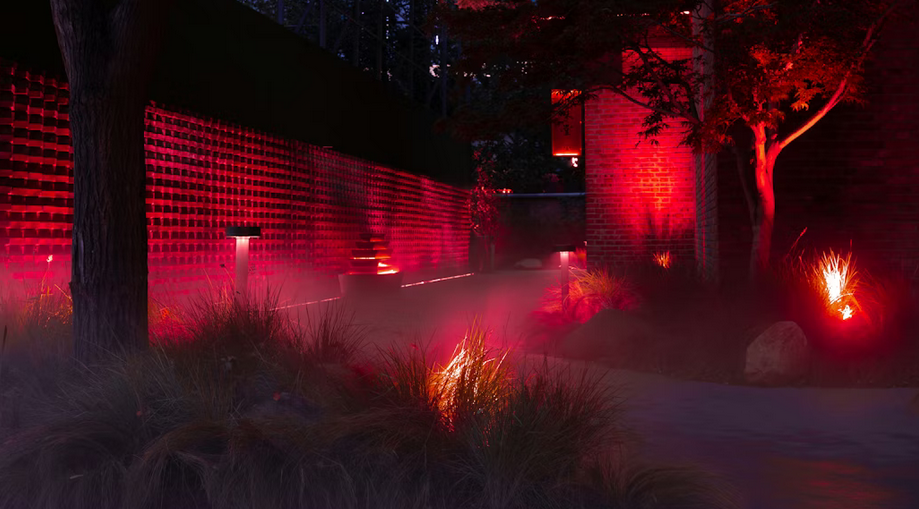
Outdoor fixtures face weather exposure year-round, so material selection matters. Aluminum and brass resist corrosion more effectively than plastic alternatives, especially in coastal regions like San Diego where salt air can accelerate wear. Design style should complement your home’s architecture. Sleek, minimal fixtures suit contemporary properties, while lantern-inspired designs align with classic exteriors. Avoid overly decorative pieces that may look dated in a few years. A clean, restrained aesthetic often blends more seamlessly into changing landscapes. Investing in quality materials may cost more initially but reduces replacement expenses over time.
Plan Strategic Placement and Spacing
Even premium fixtures can disappoint if installed without thoughtful spacing. Placing lights too close together creates visual clutter, while wide gaps leave sections of the walkway dim. A common guideline is spacing fixtures six to eight feet apart, though this varies depending on brightness and beam angle. Rather than lining lights in rigid symmetry, consider slight staggering along curves or planting beds. This technique creates a natural rhythm and prevents a runway-like effect. Proper placement highlights edges and transitions without dominating the landscape.
Choosing the perfect pathway lights involves more than selecting attractive fixtures. By defining your purpose, selecting an appropriate power source, adjusting color temperature, investing in durable materials, and planning strategic placement, you create a walkway that is safe, inviting, and visually balanced. Thoughtful decisions transform simple paths into elegant nighttime features that support both daily movement and overall landscape appeal.